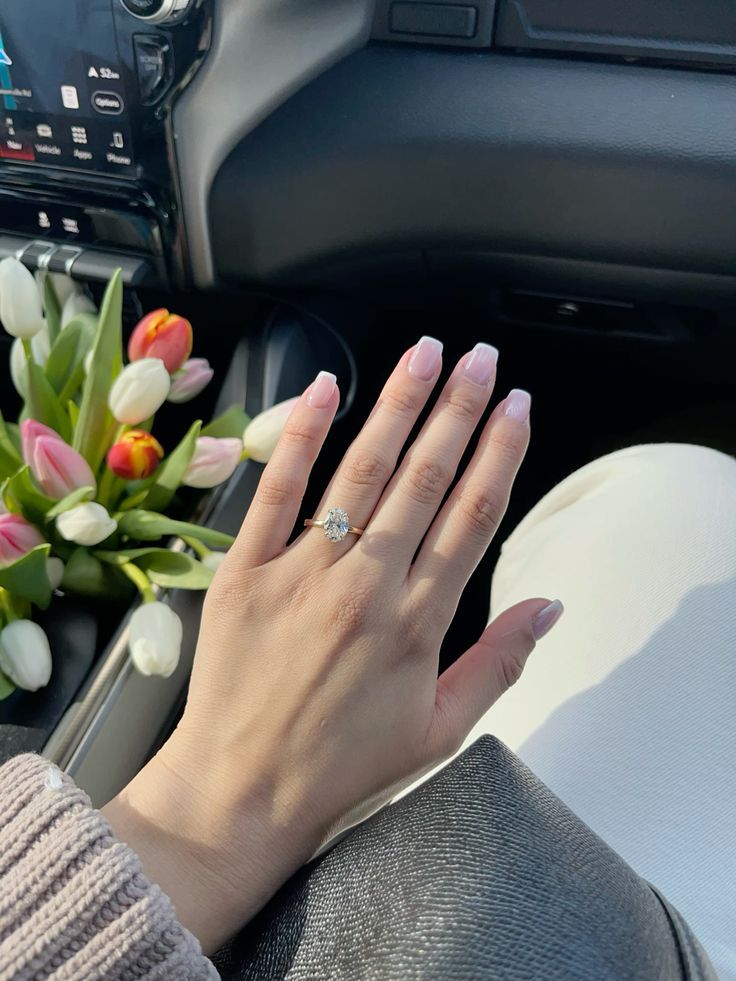
Yes. A lab-grown diamond is a real diamond, with the same crystal structure and the same physical, chemical and optical properties as one mined from the earth. It is not a simulant such as cubic zirconia or moissanite.
02
How they are made
Natural diamonds formed deep underground over billions of years. Lab-grown diamonds are created by recreating those conditions above ground, either with intense heat and pressure or by building the crystal layer by layer from carbon. The result is a diamond in weeks rather than aeons.
03
Side by side
Natural
Lab-grown
Material
Diamond (carbon)
Diamond (carbon)
Look & sparkle
Identical when graded the same
Identical when graded the same
Hardness
10 on the Mohs scale
10 on the Mohs scale
Origin
Formed in the earth over billions of years
Grown above ground in weeks
Price
Higher
Considerably lower for the same size and grade
Rarity
Finite and rare
Can be produced to order
Certification
Graded by independent labs
Graded by independent labs, origin stated
04
Can you tell them apart?
Not by eye. Even experienced jewellers need specialist equipment to tell a lab-grown diamond from a natural one. A certificate from an independent laboratory states the origin of every stone, so you always know what you are buying.
05
Price and value
Lab-grown diamonds cost considerably less than natural diamonds of the same size and grade, so the same budget buys a larger or higher-grade stone.
Natural diamonds are finite, and for many people their rarity and story are part of the meaning. Lab-grown diamonds have far less resale value today. If long-term value matters to you, natural is usually the choice.
06
Which is right for you?
Choose natural if rarity, tradition and a stone formed by nature matter most.
Choose lab-grown if you want the most size and sparkle for your budget.
There is no wrong answer. We offer both, and the best way to decide is to see them side by side.